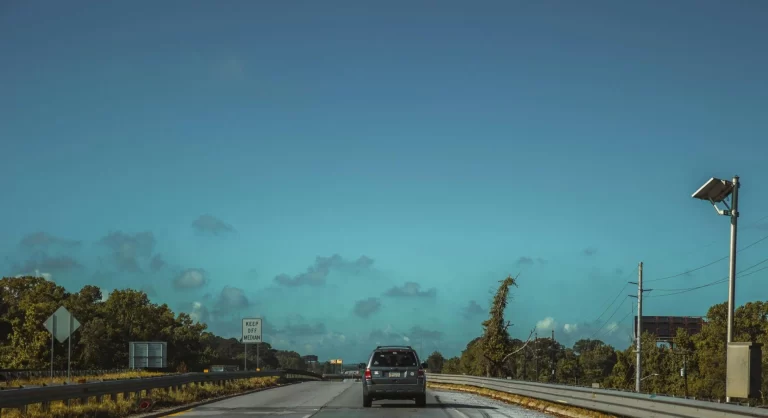

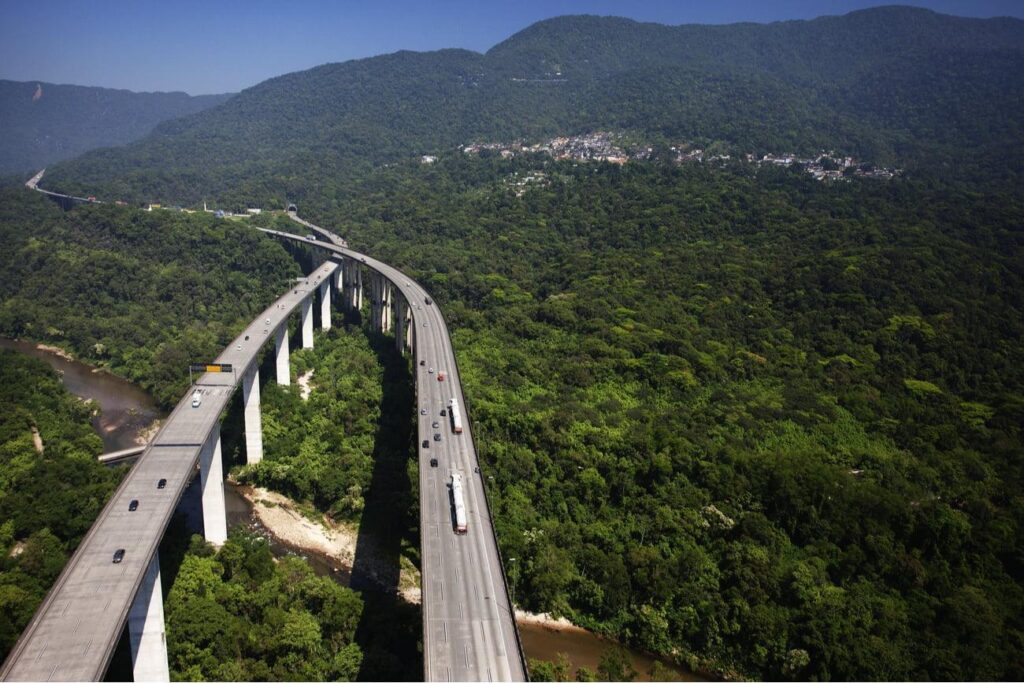
Driving in Brazil for foreigners is permitted for up to 180 days using a valid passport and the original driver’s license from your home country. To ensure a safe trip, you must drive on the right side of the road, respect the strict zero-tolerance alcohol policy, and be aware that while highways are generally well-maintained, urban traffic can be heavy.
At the same time, navigating a new country with unfamiliar rules brings natural concerns. Road conditions vary, traffic can be intense in large urban centers and understanding local habits takes a little adaptation. Still, with the right information and realistic expectations, driving can become a practical and safe way to experience more of Brazil during your trip.
To ensure a great journey, preparation is key. This guide brings reliable information and practical advice to help you prepare and make confident decisions on the road.
Can tourists drive in Brazil?
Yes! Tourists can legally drive in Brazil. The process is straightforward, but you must carry the correct documentation at all times to comply with local traffic laws.
According to the official guidelines from the Brazilian Government, here is the mandatory checklist of documents you need to drive and rent a car:
- Valid Passport: Proves your legal entry and tourist status (valid for 180 days).
- Original Driver’s License: Your home country license must be valid.
- International Driving Permit (IDP): While not strictly mandatory if you are staying less than 180 days, we highly recommends carrying an IDP if your license is not in English or Portuguese, as it facilitates communication during police stops or at the rental counter.
- Credit Card: Must be physical, in the main driver’s name, and have enough limit for the security deposit.
If you become a resident, you will eventually need to apply for a Brazilian driver license (known as CNH – Carteira Nacional de Habilitação).
Is driving in Brazil easy for foreigners?
Driving in Brazil for foreigners is generally easy, especially on major highways and in tourist-friendly cities, but it requires adaptability.
- Road Quality & Tolls:
The best-maintained roads in Brazil are usually the privately managed toll highways, connecting major hubs. They offer excellent pavement, clear signage, and 24/7 roadside assistance. Secondary and rural roads, however, might have potholes, poor lighting, or unpaved sections.
- Refueling (Gas Stations):
Unlike the US or Europe, gas stations in Brazil are not self-service.
- Pull up to the pump and wait in the car.
- An attendant (frentista) will approach you to fill the tank.
- Most rental cars are “Flex-fuel”, meaning they run on both Gasolina (Gasoline) or Etanol (Ethanol). You can tell the attendant which one you prefer (gasoline usually offers better mileage).
- You can pay the attendant directly via credit card machine from your window.
Safety and crime: Is driving in Brazil safe?
Yes, driving is a reliable way to move around, but safety perceptions vary depending on where and when you drive. Heavy traffic is common in large urban centers, and motorcycles often share the lanes aggressively.
To guarantee a safe trip, we recommend the following best practices:
- Keep doors locked and windows up: Especially when stopped at traffic lights in major cities.
- Do not leave valuables visible: Store luggage, backpacks, and electronics in the trunk when parked.
- Avoid driving at night on rural routes: Stick to daylight hours for unknown or poorly lit secondary roads.
- Zero Alcohol Tolerance: Brazil’s Lei Seca (Dry Law) is extremely strict. Driving after consuming any amount of alcohol is a serious offense with heavy fines and license suspension.
- No Mobile Phones: Holding or touching your phone while driving—even when stopped at a red light—will result in a fine. Use a dashboard mount and rely on navigation apps (which work perfectly across the country) via voice command.
How is parking in Brazil?
Street parking in Brazil uses color-coded systems. White lines indicate free or permitted parking, while yellow lines strictly mean no parking.
In most city centers, you will find the Zona Azul (Blue Zone), a rotating public parking system. You usually need to download a local app or buy a digital ticket from accredited nearby shops to park there. If you are unfamiliar with the area, private parking garages (Estacionamentos) are widely available, affordable, and the safest choice for tourists.
Renting a car in Brazil with Rentcars
Because distances are vast, relying solely on public transport can limit your experience. Renting a car gives you the freedom to explore remote beaches, waterfalls, and viewpoints.
With Rentcars, you can pick up your vehicle at major airports or downtown locations across all regions of Brazil. Here are some of the top destinations where a car is essential:
- São Paulo: Perfect for exploring the state’s lush northern coastline or countryside resorts.
- Rio de Janeiro: Ideal for driving down the breathtaking Costa Verde to Búzios or Paraty. (Tip: Check our guide on the best time to visit Rio de Janeiro).
- Belo Horizonte: Your starting point to visit historic colonial towns like Ouro Preto and Tiradentes.
- Salvador & Fortaleza: The gateways to the stunning Northeast coast, where a rental car lets you beach-hop at your own pace.
- Florianópolis: Known as the “Magic Island,” having a car here is mandatory to access its 40+ diverse beaches.
Important words in Brazilian road traffic
To help you navigate confidently, here is a quick translation table of common road signs and terms you will encounter:
| Portuguese Term | English Meaning |
| Pedágio | Toll Road |
| Pare | Stop |
| Semáforo / Sinal | Traffic Light |
| Proibido Estacionar (Letter ‘E’ crossed out) | No Parking |
| Gasolina / Etanol (Álcool) | Gasoline / Ethanol |
| Borracharia | Tire Repair Shop |
| Posto de Gasolina | Gas Station |
| Atenção / Devagar | Attention / Slow Down |
| Lombada / Quebra-mola | Speed Bump |
Emergency Services to drive in Brazil
If you face any issues on the road, help is widely available. Keep these national toll-free emergency numbers saved:
- 190: Military Police (Polícia Militar) – For crimes or accidents.
- 191: Federal Highway Police (Polícia Rodoviária Federal) – For highway emergencies.
- 192: Ambulance (SAMU) – For medical emergencies.
- 193: Fire Department (Bombeiros) – For rescues and fires.
Driving in Brazil most frequently questions
What side of the road do people drive in Brazil?
In Brazil, people drive on the right side of the road, and the driver’s seat is on the left side of the car, exactly like in the United States and most of Europe.
What are the speed limits in Brazil?
Speed limits are measured in kilometers per hour (km/h) and strict radar enforcement is extremely common. Urban roads range from 40 km/h to 60 km/h (25-37 mph). Highways usually range from 80 km/h to 110 km/h (50-68 mph), depending on the specific stretch. Always follow the road signs.
Can tourists get a fine while driving a rental car?
Yes. If you commit a traffic violation (like speeding, holding a phone, or running a red light), the fine will be sent to the rental company. The company will then charge the amount directly to the credit card you left on file for the security deposit, usually adding an administrative fee.
Do I need to leave my headlights on during the day?
Yes. Brazilian law requires drivers to keep their low-beam headlights on during the day when driving on single-lane highways outside urban perimeters. When in doubt, it is safer to keep your headlights on at all times while on the road.
Is driving in Brazil easy?
Driving in Brazil is manageable, but it requires adaptation. Major highways are well-paved and easy to navigate. However, driving in big cities can be challenging due to heavy traffic, motorcycles sharing lanes, and navigation through complex urban layouts.
Can you drink and drive in Brazil?
No. Brazil operates under a strict zero-tolerance law (Lei Seca). Any amount of alcohol in your system will result in severe fines, license suspension, and potential vehicle confiscation.
Can you use your phone while driving in Brazil?
No. Holding or interacting with your mobile phone while driving is illegal and heavily fined. You must use hands-free mounts or the car’s Bluetooth system for navigation.
Conclusion
Exploring Brazil by car allows you to reach destinations that many travelers never visit. With realistic expectations, updated information and a bit of preparation, driving in Brazil becomes a practical and enriching way to experience the country.
Whether you plan to discover coastal routes, cultural cities or inland landscapes, having a vehicle gives you flexibility and comfort.
When planning your trip, using a trusted platform like Rentcars helps you compare rental companies, understand requirements, choose the best vehicle category and secure the most suitable conditions for your itinerary.
With the right support and good planning, your driving experience in Brazil can be smooth, safe and memorable.